
Looking for a fun, low-prep activity that keeps little hands busy and learning? This dot sticker flower activity for kids is a simple, colorful craft that helps toddlers and preschoolers build fine motor skills, hand-eye coordination, and creativity—all while having fun! 🌼Perfect for spring themes, homeschool lessons, or quiet time, this activity uses basic supplies and can be adapted for different age levels.
Related:
Benefits of Dot Sticker Activities for Kids
- Improves fine motor skills
- Strengthens pincer grasp
- Supports color recognition
- Encourages focus and concentration
- Boosts creativity and confidence
- Great for screen-free learning
This flower version adds a seasonal, cheerful twist that kids love!
Supplies Needed
You only need a few simple items:Dot stickers (any colors or sizes)
Printable flower template (enter your email below to get free template)
White paper
How to Do the Dot Sticker Flower Activity
Step 1: Print a flower outline with a center and petals. You can also draw simple flower shapes by hand.
Step 2: Invite your child to peel dot stickers and place them:In the flower center, On each petal, Around the flower as decoration.
Step 3: As they work, ask questions like:“What color are you using?”“How many stickers did you add?”“Can you make a pattern?”
Step 4: Show off their finished flower artwork to build confidence and pride
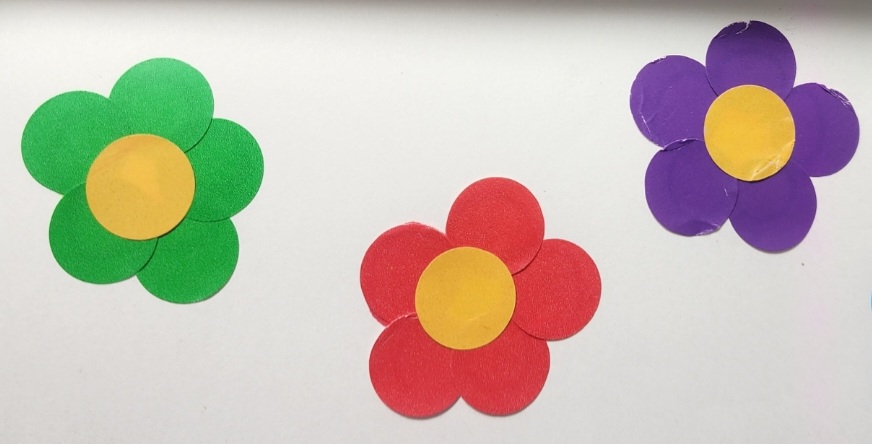
Learning Skills
This dot sticker flower activity for kids supports multiple early learning skills:
Fine motor development
Color learning
Counting and patterns
Focus and attention
Creativity and self-expression
It’s especially helpful for toddlers and preschoolers who are strengthening hand muscles for writing.
Easy Variations to Try
Color-coded flowers (one color per flower)
Numbered petals for counting
Spring garden scene with multiple flowers
Cut-and-paste flower centers
Pattern-making with alternating colors
Who Is This Activity Best For?
Toddlers (ages 2–3), Preschoolers (ages 3–5), Kindergarten kids, Homeschool families, Classrooms and daycare centers